Heat Pump Calgary — Heat Pump Installation, Repair and Straight Cold-Climate Advice
The right way to think about a heat pump in Calgary is as an air conditioner that also heats — for most of the year. An air-source heat pump moves heat out of the house in July and into it in October, March and the long shoulder seasons, and it does that far more cheaply than a natural gas furnace does. What a heat pump does not do, on its own, is carry a house through a week at −30 °C. That is why almost every heat pump installation here is dual-fuel: the heat pump does the mild and moderate weather, and the gas furnace you already own provides the supplemental heat when the mercury drops through the changeover point. Get that pairing right and the system is quiet, energy efficient and cuts gas use hard; get it wrong and the furnace runs constantly while the heat pump idles.
Call (825) 395-7447 if you have a heat pump that has stopped, iced solid, or is running the furnace far more than it should — our assistant confirms the fault and your postal code, then connects you live to a technician from our network who works on heat pumps, not just furnaces. If you are weighing a new heat pump installation, this page covers how heat pumps behave in Calgary's climate, what a cold-climate heat pump actually is and what its efficiency rating means at −25 °C, how the changeover should be set, what heat pump cost looks like installed and repaired, what the electrical side involves in older houses, where the incentives stand in Alberta this year, and who may legally do the work.
When a heat pump problem is urgent
- The heat pump is dead in a cold snap and the furnace side of the dual-fuel system is not taking over — the house is losing heat. Call as you would for any no-heat.
- The outdoor unit is encased in a solid block of ice, not a frost coating. That is a failed defrost cycle, and running it will damage the compressor and fan.
- The breaker for the outdoor unit trips again after one reset.
- You hear grinding or a loud rattle from the outdoor unit — a fan striking ice or a failing bearing. Switch it to emergency heat (furnace only) and call.
- You smell gas at the furnace side of a dual-fuel system. Leave and call ATCO Gas at 1-800-511-3447 from outside first.
Any of these: call now. (825) 395-7447
What goes wrong with heat pumps in Calgary
Frost, or a block of ice?
A light frost on the outdoor coil in winter is normal — the heat pump runs a defrost cycle every so often, blows cool air for a few minutes indoors, and clears it. A coil buried in ice, or ice climbing the fan housing, means the defrost cycle has failed: a bad defrost sensor or board, a stuck reversing valve, or low refrigerant. In Calgary's dry cold this is less common than in wetter cities, but a chinook that melts snow onto the heat pump and refreezes it overnight is a classic trigger.
The furnace runs all the time
With a heat pump paired to a furnace, the thermostat decides when to stop using the heat pump and fire the furnace. If that changeover is set too high — say +2 °C — the natural gas furnace is doing work the heat pump could have done cheaply, and the energy consumption shows it. If it is set too low, the heat pump grinds away below its useful range and the house never quite warms. Getting the changeover right for a cold-climate heat pump in this city is the single most valuable adjustment on the system.
Cool air from the vents in winter
Heat pump air is warm, not hot — 35 to 45 °C at the register rather than a furnace's 55 °C — and that is normal for heat pumps. Air that is actually cool means a defrost cycle in progress, a low charge, or a reversing valve stuck in cooling. If it lasts more than ten minutes, or the house is losing ground, it is a heat pump fault.
Weak cooling in July
Same as any air conditioner, because in summer a heat pump is one: a failed capacitor, a refrigerant leak, a blocked filter, or hail-flattened fins on the outdoor coil after a summer storm. Refrigerant is a federal ticket; hail is often an insurance conversation. The AC repair page covers both in detail, and the heating and cooling halves of a heat pump share every one of those parts.
Trips the breaker
A failing compressor, a shorted fan motor, or a heat pump drawing more than a shared circuit in an older house can carry. Houses on a 100-amp service in the inner city sometimes need a panel conversation before a heat pump installation conversation; a technician can tell you which.
Noise that is new
Modern heat pumps are quieter than air conditioners in normal operation, so a new rattle or hum stands out. A fan blade touching ice, a loose panel after the wind, a failing bearing, or a compressor beginning to struggle. Worth a look before the cold does the diagnosing for you.
Before the HVAC technician arrives
- Say it is a heat pump, not a furnace, when you call — and whether it is paired with a gas furnace or an all-electric one. It changes who comes and what they bring.
- Note what the outdoor unit is doing: frost, solid ice, running, silent, noisy. A photo helps.
- Check the thermostat is on heat (not emergency heat or cool), and note what the changeover or “aux heat” setting says if it shows one.
- Change the filter — a blocked filter starves the indoor coil and can cause icing on both sides of the heat pump system.
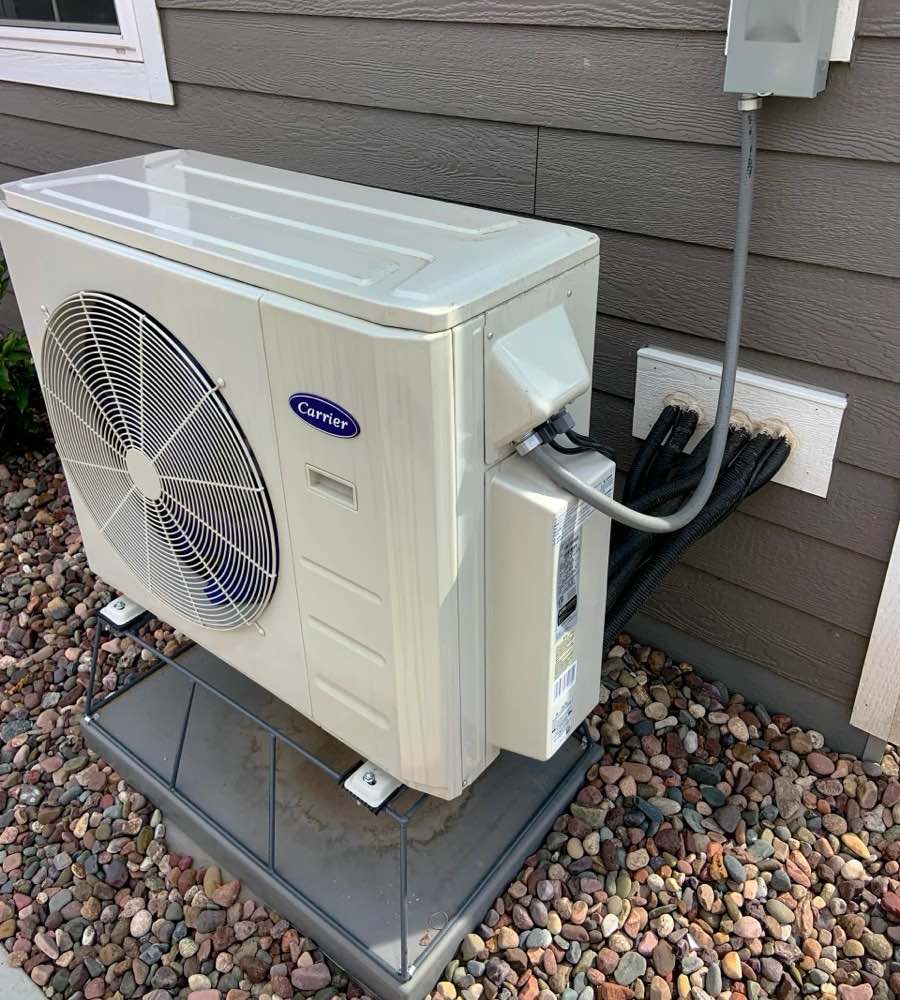
- Clear snow, ice and debris from around the outdoor heat pump; it needs clear air and a clear drain path under it. Never chip ice off the coil.
- Find the make and model on the outdoor unit's label, and roughly when it was installed.
Heat pump cost in Calgary: repairs and installation
We do not set prices; the technician you are connected to quotes you before starting and bills you directly. What we can say is what moves the heat pump cost: on repairs it is the same drivers as an air conditioner, and on a heat pump installation it is the type of heat pump, the installation costs of the electrical work, and what the house's service can carry.
Cold-climate or standard
A cold-climate heat pump keeps useful capacity to about -15°C and costs more than a standard heat pump built for milder places. In Calgary it is nearly always the right buy — a standard heat pump hands over to the furnace so early that most of the winter's savings are gone. Read the efficiency rating at −15 °C and −25 °C, not the headline number. In Calgary it is almost always paired with the existing gas furnace, which carries the −30°C cold snaps a heat pump cannot.
Dual-fuel controls
A heat pump paired with a furnace needs a dual-fuel compatible thermostat and controls that understand two heat sources and a changeover, and an installer who sets that changeover for this climate rather than leaving the factory default. It is a real line on the quote and it decides whether the heat pump saves you money.
The electrical service
Older Calgary homes on a 100-amp panel may need a service upgrade to carry a heat pump alongside everything else — a real and sometimes substantial part of the installation costs that should be found on the site visit, not on install day. Newer suburban homes rarely have this problem, and their existing ductwork and variable-speed furnace blowers suit a heat pump installation well.
Air-source, ductless or ground-source
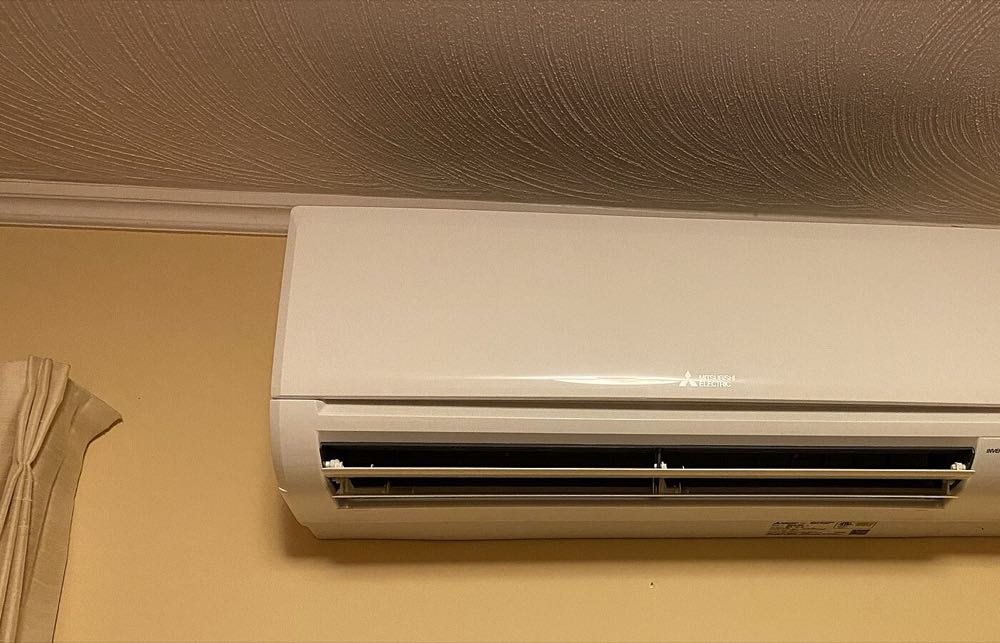
An air-source heat pump sits outside like an air conditioner, uses the existing ductwork and the furnace's blower, and is what most residential heat pumps in Alberta are. Ductless heat pumps suit the older inner-city houses with no central ducts. A ground-source heat pump costs several times more to install and is a different project altogether — usually an acreage decision, not a city one.
What happens when you call about a heat pump
Say up front that it is a heat pump, and whether it is paired with a gas furnace. Our assistant confirms the fault and your postal code, then connects you on the same call to a technician from our network who works on heat pumps and is available now. You do not hang up and wait.
From there the technician diagnoses, quotes in writing and does the work; hvaclines.ca takes no payment from you. One question worth asking them directly: at what outdoor temperature does this heat pump hand over to the furnace, and is that right for a cold-climate heat pump in Calgary? A changeover left at the factory setting is the commonest reason a heat pump disappoints here.
Heat pump installation in Calgary: what a good quote covers
A heat pump installation here is a heating and cooling decision made once for fifteen years, and the quote is where it goes right or wrong. Modern heat pumps — the cold-climate heat pumps NRCan describes as built for Canadian winters — are all capable equipment; the difference between a heat pump that cuts a Calgary gas bill and one that decorates the side of the house is in the sizing, the controls and the changeover. Every item below should be on the paper before anyone drills a hole.
- The heat pump's capacity at −15 °C and −25 °C, and its efficiency rating (COP) at those temperatures — not the headline number measured at +8 °C. This is what decides where the furnace takes over.
- The changeover temperature the installer will set, and why. For a cold-climate heat pump paired with a natural gas furnace in this city it is usually in the −10 to −15 °C region, not near zero.
- Dual-fuel compatible controls: a thermostat that manages two heat sources, and the furnace's blower confirmed as suitable — a variable-speed blower on the existing furnace makes the best pairing.
- Ductwork and airflow: a heat pump moves more air at a lower temperature than a furnace, and the existing ductwork in an older bungalow may need the returns opened. This belongs on the quote, not on install day.
- The electrical circuit: the disconnect, the breaker, and whether the panel can carry a heat pump at all; the permit is part of the installation costs and Electrical connections must be made by a qualified person, and a new circuit for an outdoor unit needs an electrical permit from the City of Calgary under the Safety Codes Act.
- Placement: out of the hail line on the north and west faces where possible, off the ground on a stand so snow and defrost water clear beneath it, and with the drain path open.
- Money: the honest comparison is heat pump versus the air conditioner you were going to buy anyway, because the heat pump replaces it and then adds shoulder-season heating. Alberta runs no provincial heat-pump rebate in 2026, and the federal Greener Homes grant and loan are closed to new applicants. Calgary's Clean Energy Improvement Program finances qualifying upgrades through the property tax bill, and manufacturer promotions of $200 to $1,500 come and go — verify any figure at source before it changes your decision.
Who may install or repair a heat pump in Alberta
Heat pump work means handling refrigerant, which requires federal ODS certification. Air conditioning and refrigeration work in Alberta also falls under the Refrigeration and Air Conditioning Mechanic trade. A heat pump paired with a furnace also touches the gas furnace and its controls, which requires an Alberta gasfitter certificate, Class B or Class A, and a new outdoor heat pump needs an electrical permit for its circuit — Electrical connections must be made by a qualified person, and a new circuit for an outdoor unit needs an electrical permit from the City of Calgary under the Safety Codes Act.
Every contractor in our network agrees in writing to hold the licences and insurance Alberta requires. We do not verify each ticket ourselves, so ask for the numbers — a technician working on a heat pump and a gas furnace in one visit should be able to show both.
Questions about heat pump
Does a heat pump actually work in a Calgary winter?
Yes, as half of a dual-fuel system. A cold-climate heat pump keeps useful output to about -15°C and handles the shoulder seasons and ordinary winter days cheaply; below the changeover point the gas furnace provides the supplemental heat, and in a −30 °C snap the furnace is doing the work. An all-electric heat pump alone is a hard sell in extreme cold like this.
Should I remove my gas furnace when I install a heat pump?
Almost never in Calgary. Keeping the furnace as the supplemental heating system is what makes a heat pump work here: the heat pump runs most of the year at low cost and the furnace covers the deep cold. Going all-electric means sizing a heat pump for a −30 °C design day, which usually means a very large, expensive heat pump and electric backup strips.
Where should the changeover to the furnace be set?
It depends on the heat pump's cold-climate efficiency rating, gas and power prices, and how the house holds heat, but for a cold-climate heat pump it is usually well below freezing — not the +2 °C many systems ship with. Ask the installer to explain the number they set and why; it is the setting that decides whether the heat pump saves money.
Are there heat pump rebates in Alberta?
Almost none. The Canada Greener Homes Grant closed in February 2024, its interest-free loan stopped taking applications on 1 October 2025, and Alberta offers no provincial heat-pump or furnace rebate. What Calgary has is the Clean Energy Improvement Program, which is financing repaid through your property taxes rather than money off the bill. Verify anything a contractor quotes.
Will my house need an electrical upgrade?
Possibly, if it is an older home on a 100-amp service — a heat pump adds a large circuit, and with a stove, dryer and an EV charger the panel may be full. Newer suburban homes rarely need it. A site visit should establish this before the heat pump installation quote, and the electrical permit is part of the install.
Do you install heat pumps yourselves?
No. hvaclines.ca is a live call-connection service run by PatchLead. We confirm what you need and where you are, then connect you on the same call to an independent technician from our network who installs and repairs heat pumps, inspects, quotes and does the work. You pay nothing to use the service.