Areas We Serve in Calgary and the Towns Around It
hvaclines.ca takes calls from every part of Calgary and from the towns that ring it, and confirms the address the same way every time: our assistant asks for your postal code and connects you to an independent technician from our network who is available for it now. If no one is available for your area at that moment, the assistant says so on the call rather than leaving you to wait. This page is what we know about each part of the city — the housing, the weather it gets, what tends to fail there — and where the technicians actually drive.
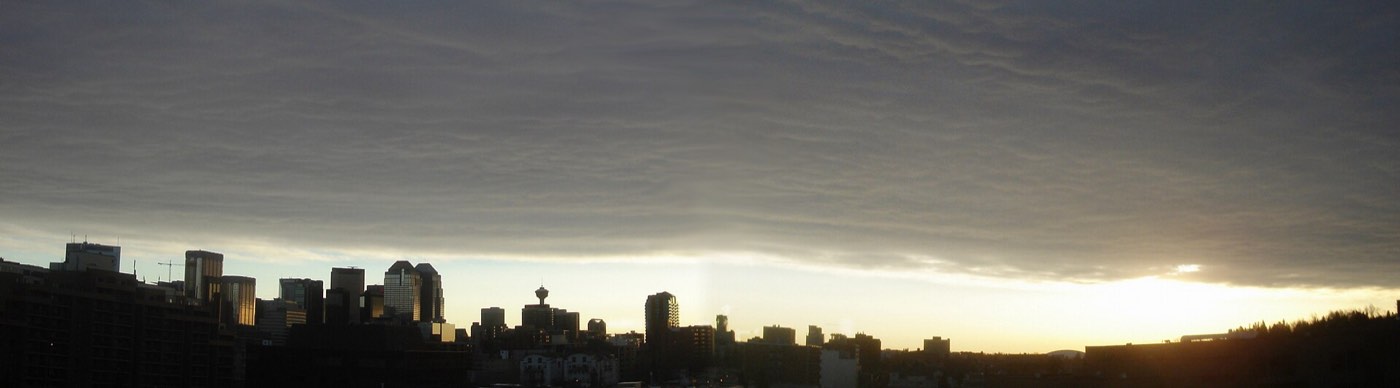
Calgary is laid out in four quadrants, with Centre Street dividing east from west and the Bow River, broadly, dividing north from south. Every address carries one of the four — NW, NE, SW, SE — and the quadrant says more about the house than most people expect, because the city grew outward in rings and each ring was built to the furnace and the code of its decade.
How coverage works on the call
There is no map of streets we serve, because we do not serve streets — technicians do, and which ones are available changes by the hour. What the assistant does is ask three questions (what is wrong, how urgent it is, your postal code) and match the answer against the technicians in the network who cover that postal area and are taking calls at that moment. A Calgary postal code starts with T2 or T3; Airdrie is T4A and T4B, Cochrane T4C, Okotoks T1S, Chestermere T1X and Strathmore T1P. The newest communities on the city's edge — T3P and T3R in the north-west, T3N in the north-east, T3S in the south-east — are inside the city and covered the same way.
Distance matters for one thing: the after-hours call. A technician crossing the city on Deerfoot Trail at 2 a.m. in January is a different proposition from one ten minutes away, and it shows up in the travel charge. When two technicians are available the assistant connects the nearer one; when only one is, the technician quotes the trip honestly before anyone drives. The sensible question to ask on the call is “where are you coming from?”
| Area | Postal areas | Most of the housing | What that means for heating and cooling |
|---|---|---|---|
| North-west (NW) | T2L–T2N, T3A–T3B, T3G, T3K–T3L, T3P, T3R | 1960s–70s inner ring; 1980s–2000s hillside suburbs; 2010s+ north edge | High ground, first to feel a chinook; cold-snap condensate freeze-ups on the 2000s high-efficiency stock |
| North-east (NE) | T1Y, T2A, T3J, T3N | 1970s–80s grid communities; 1990s–2010s growth along the airport plateau | Wind-exposed; the 2024 hail track; many homes with secondary suites sharing one furnace |
| South-west (SW) | T2R–T2W, T2X–T2Y, T3C, T3E, T3H | Pre-war and mid-century close in; 1970s–90s middle ring; 2000s+ west edge | Older houses on small electrical services; infill blocks with new equipment next to sixty-year-old ducts |
| South-east (SE) | T2B–T2C, T2G–T2J, T2Z, T3M, T3S | The oldest districts by the river; 1960s–80s lake communities; 2000s–2020s south edge | The largest share of original-equipment furnaces reaching end of life at once |
| Airdrie (74,100) | T4A, T4B | Mostly built since 2000 | Original furnaces now 15–25 years old; open-prairie wind on outdoor units |
| Cochrane (32,199) | T4C | Foothills town; 1990s–2020s growth | Colder valley nights than the city; chinook swings that short-cycle furnaces |
| Okotoks (30,405) | T1S | Mostly 1990s–2010s | Same design cold as the city; longer trip for an after-hours call |
| Chestermere (22,163) | T1X | 1990s–2010s lake community | Exposed to the storms that cross the east side of the city |
| Strathmore (14,339) | T1P | Older core; newer subdivisions | The far end of the network's reach; ask where the technician is coming from |
The north-west
The NW climbs from the Bow valley at Bowness and Montgomery — some of the city's older housing, on the river, in a cold pocket on still nights — up past the University through Brentwood, Dalhousie and Varsity, built through the 1960s and 70s, into the hillside suburbs of the 1980s and 90s (Ranchlands, Hawkwood, Edgemont, Scenic Acres) and the big communities that went in from the late 1990s: Tuscany, Royal Oak, Rocky Ridge, then Evanston, Sage Hill, Nolan Hill and Livingston along the north edge. Nose Hill sits in the middle of it, and the quadrant as a whole is the high side of the city.
What that means in practice: a chinook arrives from the west, so the NW warms first and swings hardest, and a furnace with a tight cycle setting short-cycles through the swing. The 1990s–2000s houses were built with the first generation of high-efficiency furnaces venting through the side wall in plastic pipe, and on a −30 °C night the condensate line and the intake can freeze — in Tuscany or Royal Oak a frozen vent is the first thing to check before anyone calls the furnace broken. The older ring below has bungalows on their second or third furnace and, increasingly, on their first heat pump.
The north-east
The NE is the airport plateau: flat, open, and the part of the city the wind reaches first. The grid communities of the 1970s and 80s — Rundle, Whitehorn, Marlborough, Pineridge, Falconridge — are bungalows and bi-levels, and many of them carry a basement suite, which means one furnace and one duct system heating two households and running far more hours than it was sized for. Martindale, Taradale and Saddle Ridge came in through the 1990s and 2000s; Skyview Ranch, Redstone and Cornerstone since. It is one of the places the city has grown fastest, and where the original furnaces from the 2000s are now reaching the age at which the heat exchanger, not the igniter, is the question.
Two things are specific to the NE. The 2024 hailstorm crossed the north of the city on 5 August, and condenser fins it flattened can still show up as “weak cooling” two summers later — the hail guide covers what a technician looks for. And the wind: an outdoor unit on the exposed north face of a house here works harder in winter and takes more debris in summer than the same unit in a sheltered SW yard, so placement is worth a conversation at replacement time.
The south-west
The SW holds the widest spread of housing in the city. Close to downtown are the pre-war and mid-century streets of Mount Royal, Elbow Park and Britannia — large houses, some still on boilers, most on furnaces that have been replaced twice. Altadore and Marda Loop are the infill belt, where a 1950s bungalow comes down and two narrow houses go up with new equipment on a lot whose gas and electrical services were sized for one small house. Lakeview, Glendale and Rosscarrock are the 1950s and 60s; Oakridge, Braeside and Cedarbrae the 1970s around the Glenmore Reservoir; Signal Hill and Strathcona the 80s and 90s; and Evergreen, Bridlewood, Somerset, Aspen Woods and Springbank Hill the 2000s on the west edge, which is the first ground in the city a chinook touches.
The recurring SW problem is electrical, not mechanical. A 1960s house on a 100-amp service already carrying a range and a dryer does not have the capacity for a heat pump or a large air conditioner without a panel upgrade, and that is a cost that belongs on the quote after a site visit rather than as a surprise on install day. Electrical connections must be made by a qualified person, and a new circuit for an outdoor unit needs an electrical permit from the City of Calgary under the Safety Codes Act. The other is ductwork: an infill or a heavily renovated bungalow often has a new furnace pushing air through sixty-year-old ducts, and the rooms at the end of the run are the ones that never warm.
The south-east
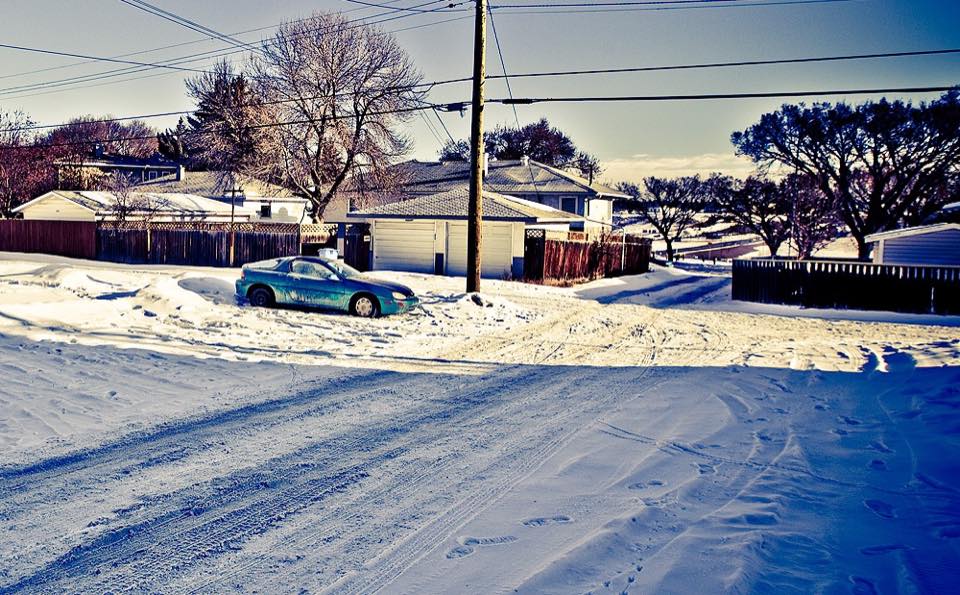
The SE runs from the oldest neighbourhoods in the city — Inglewood and Ramsay, on the river, with houses from the 1900s — through Ogden and Lynnwood in the 1950s and 60s, to Lake Bonavista, the city's first lake community, built from the late 1960s, and Bonavista Downs beside it. Midnapore and Sundance are the 1980s; McKenzie Lake and Douglasdale the 1990s; and then one of the biggest runs of new building in the region: Cranston, Auburn Bay, Mahogany and Seton, from the early 2000s to today, in T3M and T3S.
That 2000s belt is where the arithmetic of furnace age is sharpest. A house finished in 2005 that has never had its furnace replaced is running a 21-year-old unit — past the range in the lifespan guide — and there are thousands of them within a few kilometres of each other, so a cold snap in Cranston produces a queue in a way a cold snap in Elbow Park does not. It is the part of the city where booking the September tune-up, and knowing the answer to “repair or replace” before the night it fails, saves the most money. Further in, the river-valley districts sit in the same cold pocket as Bowness on the other side of downtown, and the older stock there has the same 100-amp constraint as the SW.
Airdrie, Cochrane, Okotoks, Chestermere and Strathmore
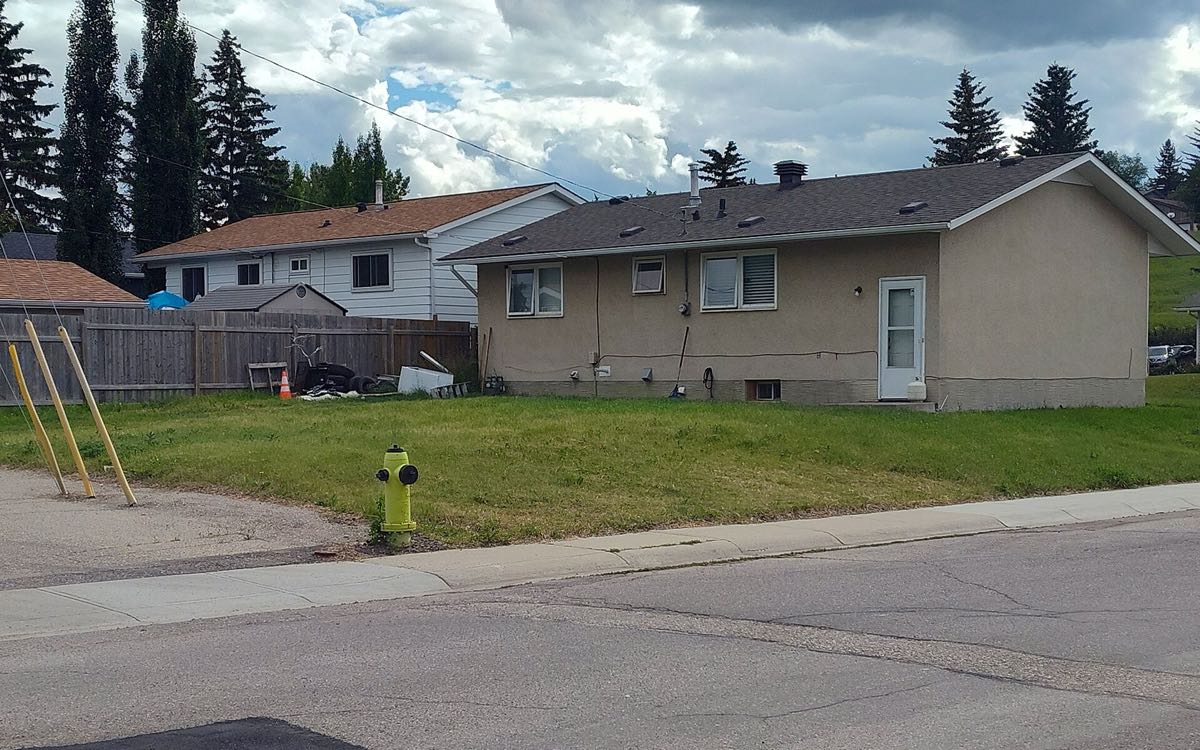
The five towns around the city are in the network's reach, with one honest caveat: fewer technicians cover them, so the after-hours answer depends more on the hour. Airdrie (74,100 people at the 2021 census, T4A and T4B) has grown so fast since 2000 that most of its housing is under twenty-five years old, which means a town full of original furnaces reaching fifteen to twenty-five years at once, on open prairie where the wind works an outdoor unit hard. Cochrane (32,199, T4C) sits in the Bow valley in the foothills, higher and colder on a still night than the city and first in line for a chinook; furnaces there see the biggest temperature swings in the region. Okotoks (30,405, T1S) is 1990s–2010s housing on the Sheep River, with the same design cold as the city and a longer trip for a night call.
Chestermere (22,163, T1X) is a lake community east of the city on the Trans-Canada, mostly 1990s to 2010s, and it sits in the path of the storms that cross the east side of Calgary in summer. Strathmore (14,339, T1P) is the far end of the network's reach, forty-odd kilometres east, with an older core and newer subdivisions; a call from there is taken the same way, and the technician quotes the trip before driving. In every town the gas is ATCO Gas, the emergency number for a gas smell is the same 1-800-511-3447, and the certificates the work requires are the provincial ones.
What this page does not claim
hvaclines.ca has no depot, no trucks and no technicians of its own in any of these places; it is a phone line that connects a homeowner to an independent business that does the work and quotes it directly. We do not verify each licence ourselves, and the technicians are independent businesses responsible for their own work. What we can say about coverage is exactly what the assistant does on the call: it takes your postal code, finds a technician in the network who covers it and is available now, and connects you — or tells you plainly that nobody is. That is the whole promise, and it is the same on every page of this site.
Calgary by the numbers
The conditions a Calgary furnace and air conditioner actually work in, from published data. They are why the pages on this site read the way they do.
- −7.6 °C
- January daily mean temperature, 1991–2020 normals
- −31.6 °C
- The coldest night of a typical year (average annual extreme minimum)
- −45.0 °C
- Record low, 4 February 1893
- 16.9 °C
- July daily mean — cooling season is short, and hot days come in bursts
- 139 cm
- Snow in an average year; 445 mm of total precipitation
- $2.8 B
- Insured damage from the 5 August 2024 hailstorm, Insurance Bureau of Canada
- 512 h
- Hours under wildfire smoke in 2023, by CBC's smoke tracker
- 1.48 M
- People in the metropolitan area at the 2021 census; 1.31 M in the city
Normals are for the airport, which sits on the open north-east plateau; the river valleys can run colder on a still night, and the west side feels a chinook first. Sources are dated below.
- Environment and Climate Change Canada — Canadian Climate Normals 1991–2020, Calgary International Airport — read 2026-09-11
- Wikipedia — Calgary: Climate and Demographics (normals table, record low, 2021 census populations) — read 2026-09-11
- Insurance Bureau of Canada — August hailstorm in Calgary results in nearly $2.8 billion in insured damage — read 2026-09-11
- CBC News — Calgary's summers are getting smokier on average (512 smoke hours in 2023) — read 2026-09-11
Sources
Figures on this page are published data, not our own measurements. Each source is dated; check it before relying on a number.
- Wikipedia — List of postal codes of Canada: T (forward sortation areas for Calgary and the surrounding towns) — read 2026-09-11
- Statistics Canada, 2021 Census, via Wikipedia — populations of Airdrie, Cochrane, Okotoks, Chestermere and Strathmore — read 2026-09-11
- Insurance Bureau of Canada — August 2024 Calgary hailstorm, $2.8 billion in insured damage — read 2026-09-11
- Wikipedia — Calgary: Climate (chinooks, record low, 1991–2020 normals) — read 2026-09-11